Owners of the IQOS ILUMA ONE usually like it for three reasons: it is compact, it warms consistently compared with older blade-based devices, and it is simple to live with. After the first month, routine habits make the difference between a device that works predictably and one that begins to feel sluggish. I have spent enough time with multiple units, in different climates and daily patterns, to know where the small frictions appear and how to prevent them. This guide collects those lessons so you can keep your ILUMA ONE performing well beyond the honeymoon period, whether you bought the iqos iluma one starter kit last week or you picked up an iluma one iqos months ago.
What “good performance” really means with ILUMA ONE
Users often judge performance by taste, draw resistance, number of uses per charge, and how reliably the cap heats the stick. The ILUMA line moved to Smartcore Induction rather than a blade, which cuts down on breakage and fiddly cleaning. It still has two realities that affect daily use. The power cell behaves like any lithium battery, and the cap and stick chamber still collect residue over time. If you understand how those two interact, it gets easier to spot root causes and fix them quickly.
On a healthy device, a fresh stick reaches temperature fast, the draw feels smooth through the session, and a full charge supports roughly 20 uses, give or take a few based on environment and your pacing. If you notice slower heat-up, inconsistent flavor after the first few puffs, or a draw that tightens mid-session, those are cues to adjust your routine, not necessarily signs of a failing device.
Day-to-day use that sets you up for longevity
Good habits start before you press the button. The iqos iluma one how to use instructions are short: insert a compatible stick, press the button, wait for the vibration, and start. The nuance comes from how you handle the stick, the device temperature, and the gap between sessions.
Avoid twisting sticks as you insert them. The ILUMA system uses a sealed design and an in-stick metal element. Twisting does not help placement, but it can scuff the chamber lining and compact residue where you do not want it. Align the stick, insert it in one smooth motion, and press gently until it seats.
Do not stack back-to-back sessions without a short pause. Heat is cumulative. If you run three or four sticks in rapid succession, the chamber and internal components stay hot, which can soften residue and let it spread into crevices, making later cleaning harder. Two or three minutes of rest cools the unit enough to avoid heat soak, especially in summer or a warm room.
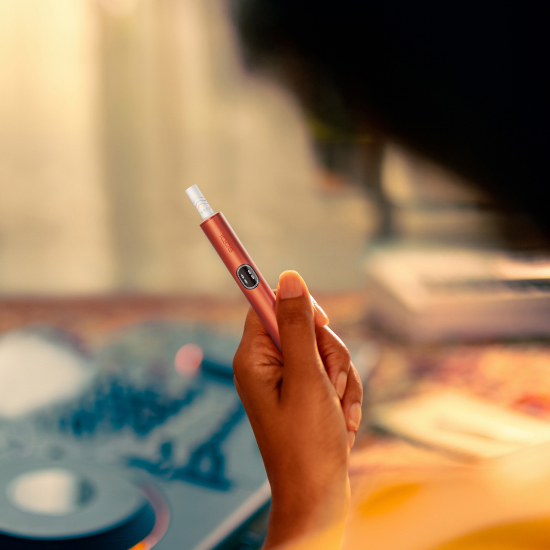
Store sticks in a dry, moderate environment. Even a small amount of humidity swells the tobacco, which raises draw resistance and increases residue. If you live somewhere damp, keep the pack in a sealed pouch with a simple desiccant sachet. The difference in draw can be dramatic within a week.
Keep your hands clean when you handle the cap. Skin oils transfer easily to the cap mouth and the chamber rim. Over time, they darken and add to buildup. A quick wipe on a microfiber cloth before and after your last stick of the day prevents a slow film that otherwise takes effort to remove.
Charging practice that protects the battery
Lithium cells prefer shallow cycles. Full-to-empty swings are convenient to measure, but they wear the battery faster. With the iqos iluma one, charging strategy is simple: top up when you can, avoid prolonged storage at 100 percent, and keep it away from heat. In normal use, you will not need to think about it daily, but a few tactics help.
Plug in at roughly one-third to one-half remaining. Most users find this is around 8 to 12 sticks left. Frequent small charges are easier on the cell than deep charges from nearly empty. If you have the iqos iluma one starter kit, the included cable is fine. A reputable USB power adapter rated 5V at 1 or 2A is ideal. High-wattage phone bricks will negotiate down, but you gain nothing in speed and occasionally introduce heat.
Do not leave it on the charger overnight every night. A modern device manages charging well, yet holding at 100 percent for hours in a warm spot still nudges long-term wear. If you need an overnight, do it on a cool surface with airflow rather than under a pillow or inside a cluttered drawer.
Avoid charging in a hot car. Heat is the main enemy of battery health. If you must charge on the go, crack a window or use a vent mount to keep airflow around the device. I have seen capacity drop measurably faster in units that lived on a dashboard cable through summer.
If the device will sit unused for a long stretch, store it around 40 to 60 percent and top up every month or two. Owners who rotate between an ILUMA ONE and a larger model sometimes leave one idle. Partial charge storage slows capacity loss.
Cleaning routines that actually work
One reason people like iluma one iqos is the lack of a fragile blade. That does not mean it is maintenance free. The chamber lip, cap interior, and contact points still accumulate residue from the sticks, especially in warmer climates or when using sticks that run sweeter. A light, regular touch beats deep scrubbing later.
I keep two tools handy: dry cotton swabs with short fibers and an alcohol wipe safe for electronics. Avoid soaking anything. Liquids that run into the chamber can cause faults. For day-to-day, a dry swab every few sessions around the chamber rim and the cap interior keeps flavor clear and the draw stable. Work gently, rotate the swab, and stop when you see it come away light brown rather than dark.
Once a week, use an alcohol wipe to clean the exterior and the top of the cap. Let any dampness evaporate fully before the next use. If you go through more than a pack a day, consider stepping up to twice-weekly exterior wipes.
For heavier buildup, switch to a microfiber cloth slightly moistened with isopropyl. Do not push liquid into the opening. Hold the device with the chamber facing down so gravity keeps moisture out while you clean the rim. Set the device upright to dry for at least 10 minutes before the next session.
If you notice odor lingering in the cap even after a wipe, remove the cap and let it air out separately overnight. Stale smell usually comes from accumulated oils. A second wipe the next morning clears it.
Managing draw resistance and flavor drift
Over time, many users report the draw feeling tighter even when the chamber looks clean. Usually the culprit is the stick itself. A batch stored in high humidity or carried in a pocket during a workout feels different. If you live in a wet climate, decant a day’s worth of sticks into a small hard case and keep that case in your bag rather than a hot jeans pocket.
Temperature also changes flavor perception. In winter, a cold device takes longer to stabilize, and the first few puffs taste muted. Warm the device in your hand for a minute before inserting a stick. In summer, let it rest between sessions so the device returns to baseline and the taste does not swing toward overly roasted.
If the device is consistently tight across all sticks and conditions, revisit the cap. Even a thin ring of residue near the top can narrow airflow. A careful dry swab of the cap from both ends usually restores the original feel.
How to get the most from one full charge
On a unit in good condition, the iqos iluma one supports a full day for a moderate user. You can stretch that without changing your routine drastically. Heat-up uses a burst of power, then the device holds a steady state. Two ways to help:
Give the device a few seconds after the vibration before taking the first puff. That small pause lets the temperature equalize, so the heater does not strain to catch up. The session will feel consistent and sometimes finish with a bit more reserve.
Avoid interrupting sessions. If you stop mid-session and resume later, the device will need to reheat, which costs more than running one continuous session. Plan breaks when you can finish a stick in one go.
In winter, keep the device in an inside pocket rather than a bag. Batteries lose apparent capacity when cold. You can see a difference of several uses per charge in sub-zero conditions simply by keeping it warm between sessions.
Troubleshooting common hiccups
Every ILUMA ONE shows quirks now and then. Knowing the likely cause saves time and avoids unnecessary service tickets.
If the device does not start heating after pressing the button and placing a stick, check charge first, then remove the stick and check the cap seating. The ILUMA system relies on the cap being aligned and fully on. Dust or lint around the cap groove can interfere with contact. A quick wipe solves it in most cases.
If heat-up takes longer than usual, look at ambient temperature and your stick storage. A cold stick takes longer to reach target, and a damp stick can feel sluggish. Warm the device in your hand and try a stick from a fresh pack stored indoors.
If you see the LED pattern that indicates a protective pause, let the device rest. Firmware will trigger a timeout if temperature overshoots or if it detects a condition that could harm the cell. Forcing repeated starts without a rest only prolongs the issue. Ten minutes usually resets it. If the pattern recurs on the first session of the day, contact support because that often points to a sensor fault.
For taste suddenly turning bitter in the first few puffs, inspect the cap interior for a dark ring. Residue can caramelize and shift flavor abruptly. A dry swab and a short air-out restore balance.
Travel and the iqos iluma one uk perspective
Travel rules vary. In the UK and much of https://amelia-pearl-iqoslmyegbxjucik233977800355842582382172.cavandoragh.org/iluma-iqos-travel-case-and-charging-solutions Europe, you can carry the device in your personal bag on a flight, but you cannot use it onboard. Sticks should travel in their sealed packs inside your hand luggage, not checked. On arrival, local rules govern where you can use heat-not-burn products. The iqos iluma one uk user typically finds indoor restrictions similar to smoking bans, though enforcement depends on venue policy.
On trains, ferries, and stadiums, ask before assuming. Staff often treat heat-not-burn the same as traditional smoking, even if the smell is different. Carry a small pouch for the device to avoid lint in the cap and to keep everything together with the cable.
If you are visiting a hot destination, adjust two things. Keep the device out of direct sun, and reduce back-to-back sessions until you see how the device copes with high ambient temperature. In a cold destination, warm the unit in your pocket for a minute before starting.
Choosing the right accessories and spares
The iqos iluma one starter kit covers the basics. Some users benefit from one or two extras that make daily use smoother. A short braided USB-C cable and a low-profile wall adapter avoid dangling cords and reduce strain on the port. A small, hard-shell case protects the device and a few sticks in a bag. If you use the device heavily, consider a second unit, not to run in parallel but to rotate weekly. Alternating devices cuts heat stress and lets each one rest fully between cleaning cycles.
If you buy third-party wipes or swabs, pick those that leave no lint. Long-fiber cotton or paper swabs shred inside the cap. Microfiber cloths marketed for camera lenses work well and do not fray easily.
Firmware and subtle behavior changes
The ILUMA family may receive firmware updates that tweak how the device manages heat and power. Users sometimes notice sessions ending with a slightly different vibration pattern or a marginal shift in heat-up time. If your unit supports updates via the app in your region, keep it current. Not every market exposes the same software, and some regions limit app functions. If you do not see an option, the device should still perform reliably without manual updates.
After an update, give the device a few sessions before judging changes. The control logic might adjust to your usage pattern over time. If performance degrades noticeably and does not rebound after a day, contact support with your device ID and a short description of the behavior before and after the update.
Environmental care and safe disposal
Batteries and electronics require responsible handling. When your device reaches the end of its life, or if you upgrade, do not toss it in general waste. Most UK high street electronics shops accept small device recycling. The brand also runs take-back programs in many regions. Before handing it in, clear any personal pairing data if your app supports it, then place the device in its original sleeve or a padded envelope to avoid pressure on the cap or port.
Reusable accessories have their own lifespan. Replace frayed cables, deformed caps, or cases with cracked hinges. These small parts do not cost much and prevent damage to the device itself.
A realistic maintenance cadence
People ask for a schedule they can follow without fuss. This pattern has worked across different households and climates, and it does not feel like work once it becomes routine.
- Daily, wipe the cap lip and chamber rim lightly with a dry swab after your last session. Store the device upright to cool. Every three to four days, quick-charge from roughly one-third to full while the device is at room temperature, not just after use. Weekly, wipe the exterior and cap interior with an alcohol wipe, let it air dry for ten minutes, and check the charging port for lint. Monthly, inspect the device for wear, confirm LED behavior matches normal, and clean your carry case or pouch. Seasonally, adjust your habits for heat or cold, and review stick storage to prevent humidity drift.
When to consider repair or replacement
Modern devices are robust, but time wins eventually. You might want to contact support if you see one or more of the following. Heat-up routinely fails on the first attempt across different packs and temperatures, LEDs indicate repeated protective pauses after light use, capacity drops by half within a few months despite careful charging, or the cap no longer fits snugly and cleaning does not help. Keep your proof of purchase, especially if you bought the iqos iluma one uk retail version, and note the serial number. Support teams respond faster when you provide device ID, purchase date, and a short log of symptoms.
If your device still works but feels tired, a refresh sometimes matters more than a full replacement. A new cap and a fresh cable resolve many borderline issues. When the cell capacity has clearly degraded, replacement is the only fix.
Small habits that pay off over a year
What separates a unit that still feels crisp at month twelve from one that limps along is rarely a single big decision. It is a cluster of small behaviors. Keep it clean without soaking. Keep it cool without babying it. Keep the charge in a comfortable middle band, and keep your sticks dry. Respect the rest between sessions, especially in heat. Those five choices add up to more stable flavor, fewer surprises, and fewer support calls.
Users who came from older blade devices often underestimate how little force and intervention the ILUMA ONE needs. Do less, more consistently. Avoid twisting, avoid digging at the chamber, avoid charging from empty in a hot car. Do wipe lightly, do rest it between sessions, do top up at mid-level, and do store it sensibly. The device was designed with these patterns in mind.
If you are just getting started with an iqos iluma one starter kit, this might sound like a lot. In practice, it is a minute at night, a few seconds before a session, and a short charge on your desk while you catch up on messages. In return, you will likely keep the same steady draw and taste you enjoyed on day one, long after the novelty wears off.
A quick reference for new owners
A new user of iluma o n e often has the same early questions. Yes, you insert the stick gently, press the button, wait for vibration, and take even puffs. No, you do not need to scrape a blade, because there is none. Yes, it prefers moderate temperatures. No, it does not like pockets full of sand at the beach. Keep a soft cloth nearby, charge it before it gets low, and carry your sticks in something that protects them from humidity. That is the core of it.
The small changes people make after the first few weeks yield the biggest improvements. Place the device cap-first into a clean pouch instead of dropping it loose into a bag. Let it rest two minutes before you start another stick. Wipe the rim when you finish for the day. Swap a fraying cable. These are simple moves. They keep the IQOS ILUMA ONE reliable on busy days and long nights, without turning maintenance into a chore.