Devices earn loyalty when they stay predictable. With heated tobacco, predictability lives in the small things: charging habits, cleaning rhythm, storage, and how you treat consumables. The IQOS ILUMA i series is tougher than earlier generations, thanks to the bladeless induction system and a sealed heating chamber, but it still benefits from careful use. If you want consistent draws on day 200 that feel like day 2, a few habits will carry most of the load.
I have maintained several ILUMA i devices through heavy daily use, office commutes, and more than a few careless tosses into gym bags. The notes below pull from that lived-in experience, not a spec sheet. Expect practical steps, reasonable ranges, and trade-offs you can weigh for yourself.
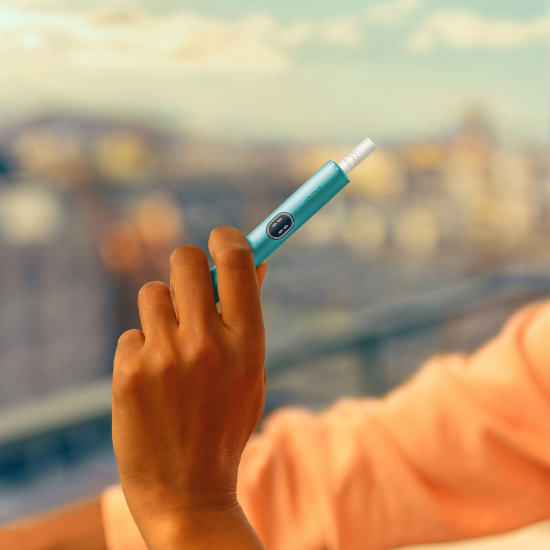
Understand the system you are maintaining
The IQOS ILUMA i heats tobacco from the outside in using induction with a Smartcore stick, not a fragile blade. That single change removes one of the most common failure modes from earlier devices: bent or broken blades after a rushed insertion or overzealous cleaning. The chamber still gathers residue over time, the cap gasket still dries out if neglected, and the battery still follows chemistry’s rules. The trick is to manage build-up and stress before they become symptoms you notice.
You will see two patterns across all the tips that follow. First, control heat and residue by keeping the airflow path clear and the chamber dry. Second, control electrical stress by charging within sane boundaries and avoiding deep discharges. If you do those two things well, the rest becomes simple maintenance.
Daily habits that quietly extend lifespan
Small, repeatable actions do more than big once-a-month rituals. When people say a device “just works,” they are usually doing these things without thinking.
Let the device cool before pocketing it. After a session, give the holder at least 2 to 3 minutes with the cap off the chamber to let condensed vapor escape. Trapping warm moisture invites residue to settle in the airflow path. If you can, stand the device upright on a desk during this cool-down. The extra airflow helps.
Wipe the cap interior, not just the chamber. A quick pass with a dry, lint-free swab around the cap’s inner sleeve removes the thin film that otherwise turns into stubborn varnish. I do this every 8 to 10 sticks, which takes 20 seconds and prevents half of the cleaning struggles later.
Store with a little breathing room. Avoid sealing the device in a cramped, humid pocket next to keys and a sweaty phone after a workout. Heat and moisture linger and can soften gaskets. A small, hard-shell case with venting holes helps more than people expect.
Keep consumables dry and intact. Smartcore sticks that feel slightly soft, have bent filters, or were stored in a steamy kitchen cabinet will deliver uneven draws and leave more residue. If a sleeve feels suspicious, set it aside. The device is only half of the equation.
Rotate charging sessions. If you use the device heavily, get in the habit of topping up rather than waiting for the battery to run down to the last bar every time. Lithium cells appreciate moderation.
Cleaning that fits the ILUMA i design
The cleaning routine is easy to overcomplicate. Because ILUMA i is bladeless, you do not need to baby a fragile component, but you still need to respect the chamber and seals.
Dry first. Moisture plus heat creates the stubborn brown glaze that frustrates users. Let the holder cool completely, then remove the cap. Gently tap the device to dislodge loose particles. Use a dry brush designed for the ILUMA series to sweep the chamber and the two main airflow channels. Dry brushing removes more debris than people think, especially if you cleaned recently.
Solvent only when necessary. If you notice a syrupy ring or sticky pull, use a slightly damp cotton swab with high-purity isopropyl alcohol and wipe the chamber walls lightly, keeping the swab under control. Do not flood the area. One or two swabs is usually enough. Let the holder air-dry for at least 5 minutes before use. Resist the urge to accelerate drying with heat, which can warp seals.
Mind the cap gasket. That thin ring does quiet work, preserving airflow and draw resistance. Once or twice a month, inspect it under good light. If residue accumulates, a lightly damp swab followed by a dry swab keeps it supple. Avoid pulling or stretching the ring.
Set a cleaning cadence that matches your use. For moderate use, a quick dry brush daily and a deeper wipe once a week holds performance steady. Heavy users should add a midweek solvent pass. If the draw suddenly tightens after only a few sticks, it is a sign to clean the cap more often, not to push harder on the stick insertion.
Charging and battery care with real-world constraints
Battery myths survive because they carry a grain of truth. Here is what matters for the IQOS ILUMA i in practice.
Avoid chronic deep discharge. Running the device down to empty every cycle, day after day, asks the battery to work harder and shortens its useful life. If you can start charging around 20 to 30 percent remaining, the battery will age more gracefully. If your routine forces occasional deep runs, do not worry, just do not make it your daily pattern.
Keep it cool while charging. Charging on a hot car dashboard or under a pillow traps heat. Battery chemistry dislikes heat more than almost anything else. A stable, room-temperature surface is ideal. If the body feels unusually warm, give it a rest before plugging in.
Use reliable power. A reputable wall adapter or a laptop USB port that meets the device’s charging specs will prevent inconsistent trickle behavior and unnecessary heat. Overly aggressive third-party fast chargers can raise temperature and curve the cycle profile. Slower and steady pays off over years.
Do not chase 100 percent all the time. Letting the device sit at full charge for long idle stretches is not a disaster, but it is not ideal either. If you will not use it for a few days, store it around half charge. For daily routines, charge to full when you need it, then disconnect. This is a gentle habit, not a strict rule.
Expect capacity changes across seasons. Cold weather temporarily reduces available capacity. If your winter sessions feel shorter, that is physics, not sudden degradation. Warm the device to room temperature before use and keep it off freezing car seats when you can.
Getting the draw right
Even a clean device can feel wrong if the pack and insertion are off. Most “my draw feels tight” complaints trace back to the stick.
Insert smoothly, do not twist aggressively. The ILUMA i design does not require the kind of force older blade models tolerated. A twist-and-cram approach compacts the tobacco plug and restricts airflow immediately. Align, insert to the marked line, and stop.
Check the stick’s end before use. If the filter looks crushed or the paper is frayed, you will feel it in the first draw. A tiny pinch near the filter end, done gently, can restore shape if the stick was jostled in a pocket, but do not overdo it.
Let the device finish the preheat. Starting a draw too early pulls semi-condensed aerosol into the chamber and leaves more residue. Give the device its cue to start and wait for the haptic signal. That short pause pays dividends.
Use consistent pressure on the filter. Some users squeeze the filter as they inhale. That pinch collapses airflow temporarily and makes the session feel inconsistent. Hold the filter lightly and keep your jaw relaxed.
Accept variability across stick batches. Even with good quality control, tobacco density varies slightly. If a particular sleeve seems off for several sticks in a row, switch to another sleeve. Do not write off the device for what may be a batch quirk.
Dealing with residue before it becomes glue
Residue is a function of heat, time, and airflow. You cannot eliminate it, only manage it so it does not set like varnish.
Heat cycles matter. Short bursts with longer cool-down intervals deposit less condensed material than back-to-back sessions with no rest. If you often chain sessions, at least remove the cap for a minute between them and tap out the chamber.
Ambient humidity plays a role. High humidity encourages condensation. In a humid climate, pieces of the ritual need tightening: more frequent dry brushes, longer post-session cap-off cooling, and a careful eye on the cap gasket. If you travel from a dry to humid zone, the difference in residue rate will surprise you.
Solvent choice and restraint. If you use isopropyl alcohol, aim for 70 to 99 percent, and use the minimum that wets a swab tip. Anything scented or oily leaves films that accumulate. Avoid abrasive tools entirely. Scratches in the chamber wall trap more residue and are almost impossible to remedy later.
Storage, travel, and seasonal shifts
How you carry the device for months at a time influences its aging curve as much as cleaning does.
Protect from crushing forces. The bladeless ILUMA i tolerates normal life better than earlier versions, but repeated compression in a tight jeans pocket can flex internal connections and fatigue solder joints over time. A slim, rigid case prevents those slow-motion stresses.
Keep the device and sticks at similar temperatures. Using a device warm from a pocket with a stick stored in a cold car can cause a burst of condensation as temperatures equalize. Store both together, especially in winter, so the first minute of the session does not become a condensation event.
Beware of bag debris. Lint and fine grit work their way into the cap. If you toss the device in a backpack, store it cap-side up in a small pouch. Once grit gets into the gasket, you will fight micro leaks and odd airflow until you clean it out.
Long breaks deserve a reset. If you will pause use for a few weeks, clean the chamber, wipe the cap, charge to about half, and store in a cool, dry place. When you return, do a quick dry brush and run a session with a fresh stick to clear any light film before you judge performance.
Firmware, features, and when to update
Some ILUMA i variants allow feature updates via companion apps depending on market. Updates can refine temperature curves or session timing, though the changes are usually subtle.
Update when it solves something you care about. If an update notes stability or charging improvements, take it. If it is cosmetic, weigh the small risk of new bugs against your stable setup. When you do update, start with a fully charged device and give it the time it asks for without interruption.
Avoid forced re-pair loops. If the app struggles to find the device after an update, toggle https://storage.googleapis.com/uk-heated-tabacco/iqos/index.html Bluetooth off and on, then restart the device. Resist the urge to factory reset unless you have tried basic troubleshooting. A reset wipes session counters and any custom settings you may rely on.
Reading early warning signs
Good maintenance catches problems before they become failures. Three patterns matter.
Draw shifts you feel in your cheeks. If the first two pulls of each session feel tight then loosen, residue in the cap sleeve is the most likely culprit. Clean the cap interior and check the gasket. If the tightness persists with multiple stick batches, inspect the main airflow channel for debris under strong light.
Temperature behavior you feel on the lips or fingers. If the holder feels hotter than usual for a normal session, residue may be insulating heat in the chamber. It can also signal poor airflow from a crushed stick filter. Clean first, then monitor. Persistent heat paired with short sessions hints at battery stress.
Charging that does not match the lights. If the device shows nearly full but takes unusually long to top up, or if the first bar drops faster than the rest, you may be seeing normal lithium behavior after many cycles. Try a few shallow cycles for a week. If the pattern persists and you depend on long days away from power, plan for a battery replacement schedule that aligns with your usage rather than waiting for sudden failure.
Trade-offs people rarely discuss
Aggressive cleaning feels proactive, but it can be counterproductive. If you flood the chamber with solvent, you will carry a faint taste into the next several sessions and risk softening adhesives near the airflow path. Gentle and frequent beats harsh and rare.
Leaving sticks in the device “for next time” seems efficient, but it invites cap staining and inconsistencies. A pre-inserted stick pulls moisture into the chamber as the device warms in a pocket. Remove spent sticks promptly and do not pre-load a fresh one until you are ready.
Third-party accessories can help or harm. A good case protects, but cheap chamber brushes with stiff bristles can scratch. Aftermarket caps may not fit tolerances perfectly, leading to air leaks. If you experiment, test airflow and taste carefully over several sessions before you commit.
A simple maintenance rhythm
Below is a compact routine that works for heavy users who value consistency over tinkering. It strikes a balance between effort and outcome without turning device care into a hobby.
- After each session: remove the cap for 2 to 3 minutes, tap out the chamber, let it breathe, then replace the cap once dry. Every 8 to 10 sticks: dry-brush the chamber and wipe the cap interior with a dry, lint-free swab. Weekly: inspect and lightly clean the chamber walls and gasket with a barely damp isopropyl swab, then air-dry for at least 5 minutes. Charging habit: top up around 20 to 40 percent remaining, avoid charging on soft or hot surfaces, and disconnect once it reaches full if you will not use it immediately. Storage: keep device and sticks together at room temperature, in a rigid, ventilated case, away from grit and high humidity.
Choosing and handling sticks with care
The IQOS ILUMA i system hinges on the Smartcore sticks that were engineered for induction heating. That means the tobacco plug and internal element are part of the thermal model. Missteps here show up as taste drift or inconsistent draws long before they harm hardware.
Buy from a consistent source. Batch variation happens, but reputable retailers store stock properly and turn it over quickly. Stale or humidity-soaked packs are the fastest route to gummy residue and bland taste.
Keep sleeves sealed until you use them. Opening several packs “to save time” dries filters and invites dust. Unsealed filters shed fibers that you end up cleaning from the cap later.
Do not compress the pack to check quantity. The tobacco plug inside is not a fan of pressure. A casual squeeze can deform a handful of sticks enough to worsen the draw across a day.
Mind the calendar. If a sleeve has been sitting in a hot car for a week, treat it as a candidate for uneven performance. Use it if you must, but expect more residue and give the device a thorough clean afterward.
When performance dips despite good care
No routine prevents every issue. Here is how to approach a dip without guessing.
Start with a controlled test. Use a fresh stick from a newly opened sleeve, in a clean device, at room temperature. If the draw and taste return to baseline, your issue was consumable or environment. If not, proceed.
Check airflow under light. Remove the cap and look through the airflow path. A strand of lint can simulate a major blockage. A dentist’s mirror or a phone flashlight reveals more than you can see at a glance.
Revisit charging behavior. If sessions feel shorter and the device cools faster between puffs, battery output might be sagging under load. Try several days of gentler charge cycles. Aging batteries recover some stability with less stress, although capacity does not return.
Evaluate after three sessions. One good session after a clean can be a fluke. Three consistent sessions mean you have corrected the cause. If issues persist across sticks and environments, contact support. Hardware faults are rare, but they do happen, and diagnosing at home beyond this point is guesswork.
Safety notes you should not ignore
Heated tobacco devices are electrical appliances that live close to your face. A few boundaries protect you from the edge cases.
Never submerge the device. Water inside the chamber or electronics can produce hidden corrosion that surfaces weeks later as erratic behavior. If it gets wet, power it down, do not charge, and let it dry for at least 48 hours in a dry, ventilated space. Silica gel packs help more than rice.
Do not use aggressive cleaners. Acetone, citrus solvents, and household sprays leave residues or dissolve plastics. If an accident happens, clean immediately with isopropyl alcohol and let the device dry thoroughly.
Stop using if you smell electrical odors. A faint hot-plastic scent is different from the usual warm tobacco note. If you detect it, stop, let the device cool, and seek service. Continuing to use a device with a failing component turns a small issue into a larger one.
What long-term success looks like
A well-kept IQOS ILUMA i feels boring in the best way. The session starts when you expect it, the draw resistance stays stable from first to last puff, and the taste profile stays within a familiar band. The cap slides on and off smoothly, the gasket sits snug, and cleaning feels like maintenance, not rescue. On my most disciplined routine, I averaged several hundred sessions before any notable shift in battery behavior, and even then the decline was gradual. On lazier weeks with back-to-back sessions and pocket charging in the car, residue crept in faster and the device ran warmer. The data point is not surprising, but it is reassuring. The device responds to care.
If you adopt even half of the habits above, the ILUMA i will repay you with consistency. Keep the chamber dry and clear, charge with patience, treat sticks like part of the system rather than a commodity, and listen to small signals before they become big ones. You do not need a toolbox or a spreadsheet to do this. You just need a rhythm that suits your day, and five quiet minutes spread across it.